

Oga Pysy
Sunrise Chant to Begin Construction Process
Before gathering materials, builders perform a sacred chant asking the Jaras, the spiritual guardians of the forest, for permission to enter and harvest wood.
The Construction Journey
This film follows the complete construction process of the Oga Pysy, from the preparation of the site and gathering of materials to the completion of the ceremonial house.
↓
Three Materials
The Oga Pysy is built using three primary materials: Taij wood, Urunde'y wood, and bamboo. Together, they form the structural foundation of the ceremonial house and embody traditional building knowledge passed down through generations.

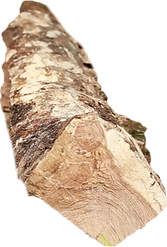


Taij Wood — The Spirit of Foundation
Taij wood represents the spirit of grounding and continuity.
Its slow growth and heavy presence embody the patience of ancestors and the stability of the land.
When used in an Oga Pysys, Taij wood becomes a symbolic backbone, expressing the community’s desire for relationships that endure across generations.
Urunde’y — The Force of Protection
Urunde’y is revered as the material of strength and guardianship.
Its density and dark tone reflect the power of the earth and the resilience needed to face hardship.
In the structure of an Oga Pysys, Urunde’y serves as a protective presence, believed to shield the community from harm and maintain balance with the natural world.
Urunde’y
Bamboo — The Breath of Renewal
Bamboo carries the meaning of flexibility, renewal, and harmonious living.
Its ability to bend without breaking mirrors the community’s capacity to adapt, recover, and stay united.
In an Oga Pysys, bamboo introduces the spirit of cyclical life, reminding people that strength also comes from softness, rhythm, and coexistence with nature.
Preparing the Oga Pysy Floor Surface / Clearing the Area
Construction begins by measuring and marking the site where the Oga Pysy will be built. Wooden markers define the future structure before the area is cleared and prepared for construction.
Workers measure, mark, and prepare the site before construction begins. Careful positioning of the pillars ensures the stability and alignment of the future structure.
Collecting Urunde'y Wood/Tajy Wood
Urunde'y and Taij wood are gathered and prepared for the construction of the Oga Pysy. Chosen for their strength and durability, these materials form the main structural elements of the prayer house and reflect generations of building knowledge passed down through the community.


Collecting Bamboo Wood
Bamboo is gathered, cut, and prepared before construction begins. As the primary material used to form the structural skeleton of the Oga Pysy, it determines the shape of the prayer house and provides the framework that will later support the roof.
Digging the Hole to Place the Pillars of Oga Pysy
360
PANORAMA
VIEWER
The Oga Pysy begins to take shape as the timber pillars are positioned and secured into the ground. These structural elements establish the framework that will support the entire prayer house.
Preparation of Slats to Secure the Thatch Roof Covering of the Oga Pysy
360
PANORAMA
VIEWER
The prepared bamboo poles are assembled to create the structural skeleton of the Oga Pysy. As the framework grows, the form of the prayer house gradually becomes visible.
Preparing Sapé Grass to Lay the Thatch Roof Covering of the Oga Pysy
Sapé grass is harvested, cleaned, and prepared before being attached to the bamboo framework. Layer by layer, the thatched roof protects the Oga Pysy while reflecting traditional ecological knowledge and building practices.
Inauguration Ritual for the Oga Pysy
Following the completion of construction, community members gather inside the Oga Pysy for chants, music, and ceremonial practices. These rituals welcome spiritual presence into the space and mark the transition from a constructed building to a living ceremonial house.
Interview
Still no selected the video, yet.
Community members and builders reflect on the knowledge, materials, and practices involved in constructing the Oga Pysy, sharing perspectives that connect technical skill with cultural tradition.
Recording Hardwares and crews


